
Model 20 vs Model 40 Biscuit Forming Machines
Compare manual tray loading with automatic tray arranging. Start with your biscuit and material, then check output, tray size and the work needed after forming.
The main difference is tray handling
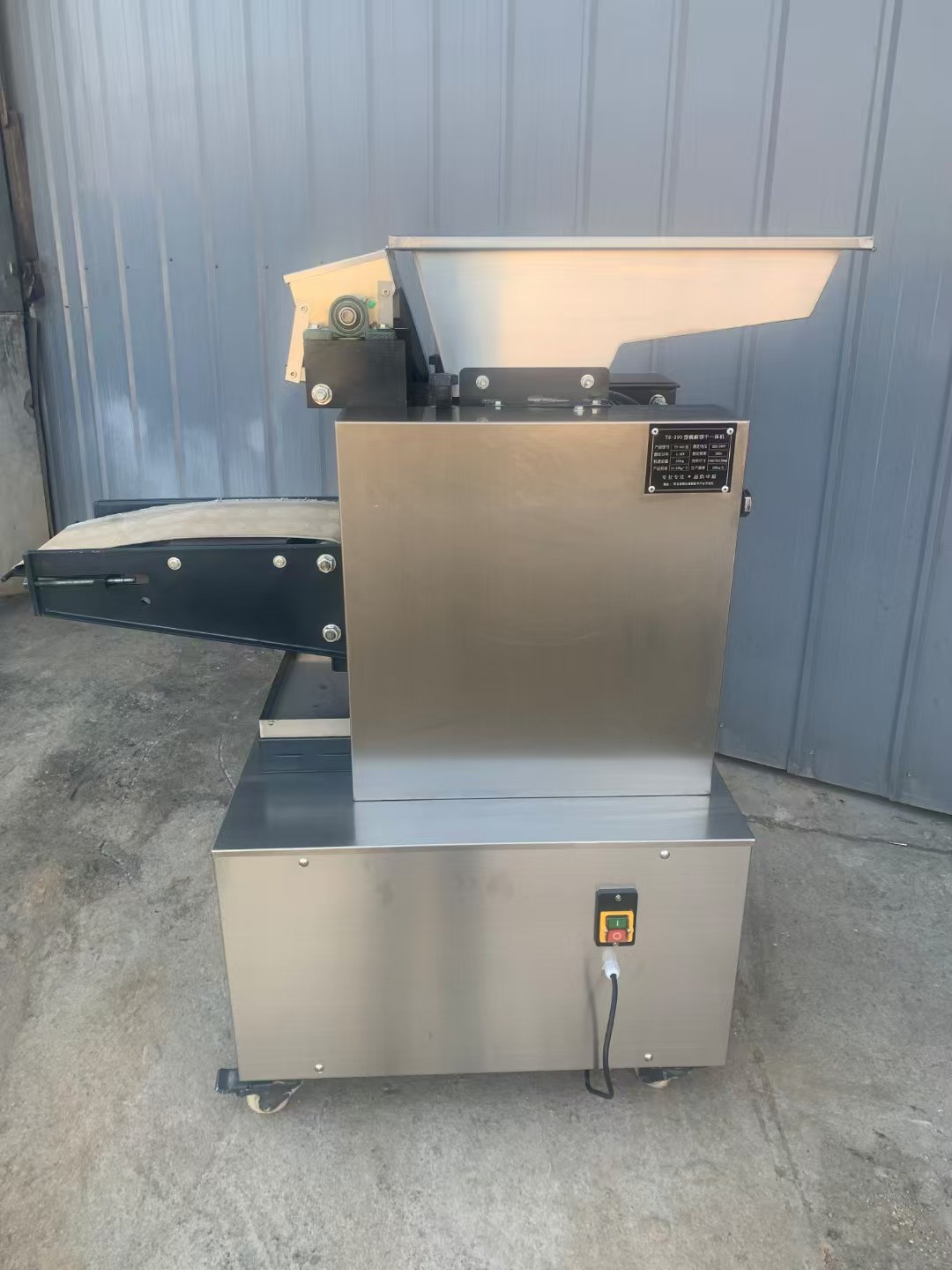
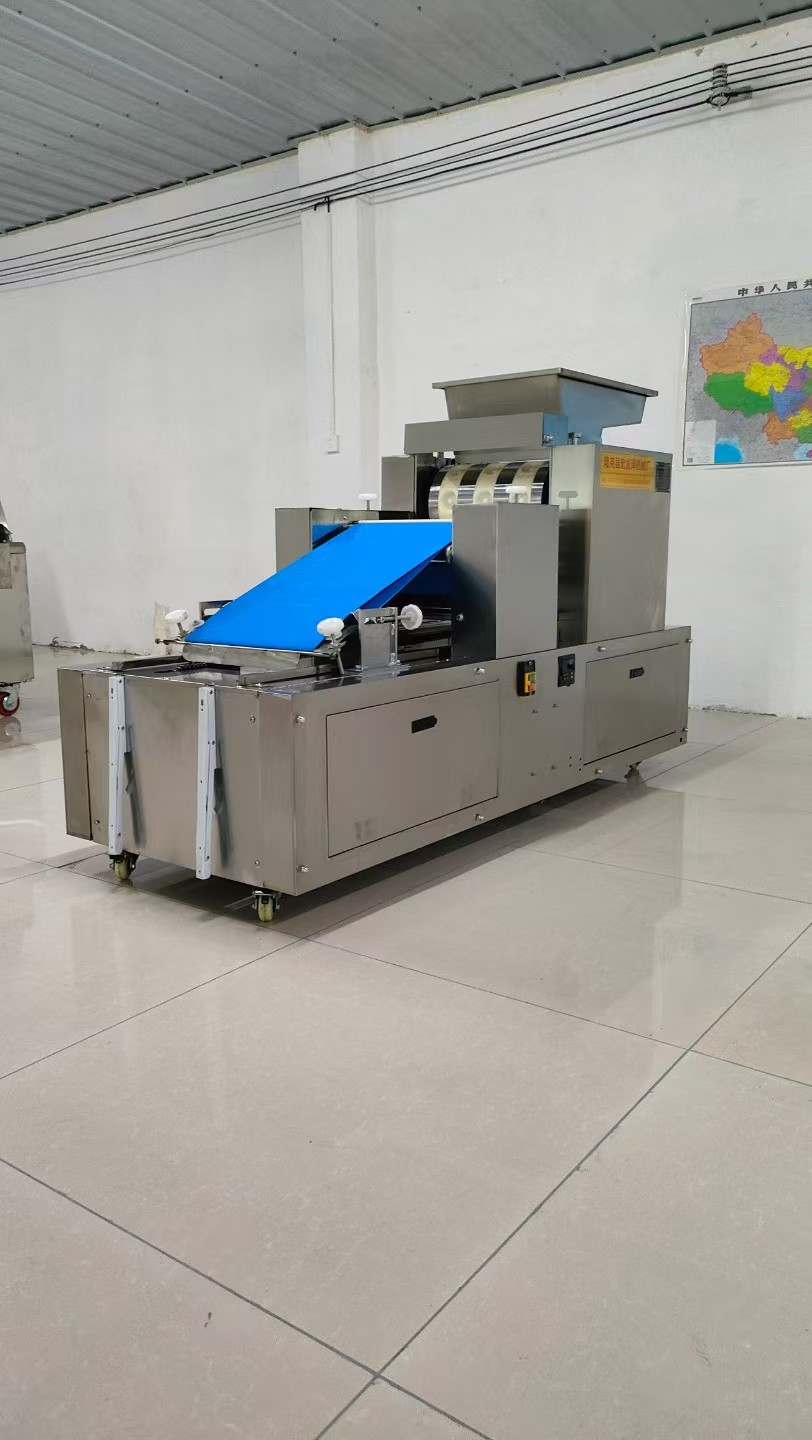
Model 20 forms biscuit pieces for manual removal and tray loading. Model 40 automatically arranges the formed pieces on trays, but an operator still supplies trays continuously. Automatic arranging does not mean unattended production.
Compare the confirmed specifications
Outputs below are maximum reference values, not guaranteed production rates. Actual output depends on biscuit size, design and recipe.
| Selection point | Model 20 Small Biscuit Forming Machine | Model 40 Automatic Biscuit Forming Machine |
|---|---|---|
| Maximum reference output | Approx. 100 kg/h | Approx. 200 kg/h |
| Power | 1.5 kW | 2.2 kW |
| Forming width | 200 mm | 400 mm |
| Tray handling | Manual removal and tray loading; automatic traying cannot be added | Automatic arranging; an operator continuously supplies trays |
Choose Model 20 for a manual tray workflow
For small batches or product trials, Model 20 provides a compact forming step while your team removes the pieces and places them on trays. Its 200 mm conveyor width does not require a 200 mm tray, because tray loading is manual. Model 20 cannot be fitted with an automatic tray-arranging system later.
Choose Model 40 when automatic arranging is required
Model 40 uses a 400 mm forming width and a standard 400 × 600 mm tray. An operator must continuously place trays behind the machine. Automatic arranging requires a tray width of at least 400 mm; there is no configuration for narrower trays. Other tray widths require a separate configuration check.
Confirm one tray size before production
For automatic arranging, the exact tray width and length must be fixed before the machine is manufactured. One machine is configured for one tray size; it cannot switch between different widths or lengths after delivery. Trays are supplied by the buyer, are not included, and are not sold by us.
Check the biscuit before selecting output
Both models form short-dough material that is dry, loose, non-sticky and holds together under light pressure when fed. For round biscuits, the diameter must be strictly above 30 mm and below 130 mm. For other shapes, both the maximum length and maximum width must meet the same limits. Thickness may be 3–15 mm, including both limits.
The machines form plain, single-layer, unfilled biscuit pieces. They do not bake, add filling or assemble sandwich biscuits. Baking and other downstream work need separate equipment or manual processes.
Applications →Model 20 Small Biscuit Forming Machine
Watch the reviewed working video
The formed biscuit pieces are removed and placed on trays manually.
Model 40 Automatic Biscuit Forming Machine
Watch the reviewed working video
The machine arranges formed biscuits while the operator continuously supplies the confirmed tray size.
Need a wider automatic-arranging machine?
Compare Model 60 for a 600 mm forming width and higher reference output. Tray size and downstream capacity still need to match the project.
Model 60 600 mm Automatic Biscuit Forming Machine →Prepare the details needed for selection
- A clear biscuit photo or design
- Exact dimensions and thickness
- Target hourly output
- Your tray width, tray length and planned workflow