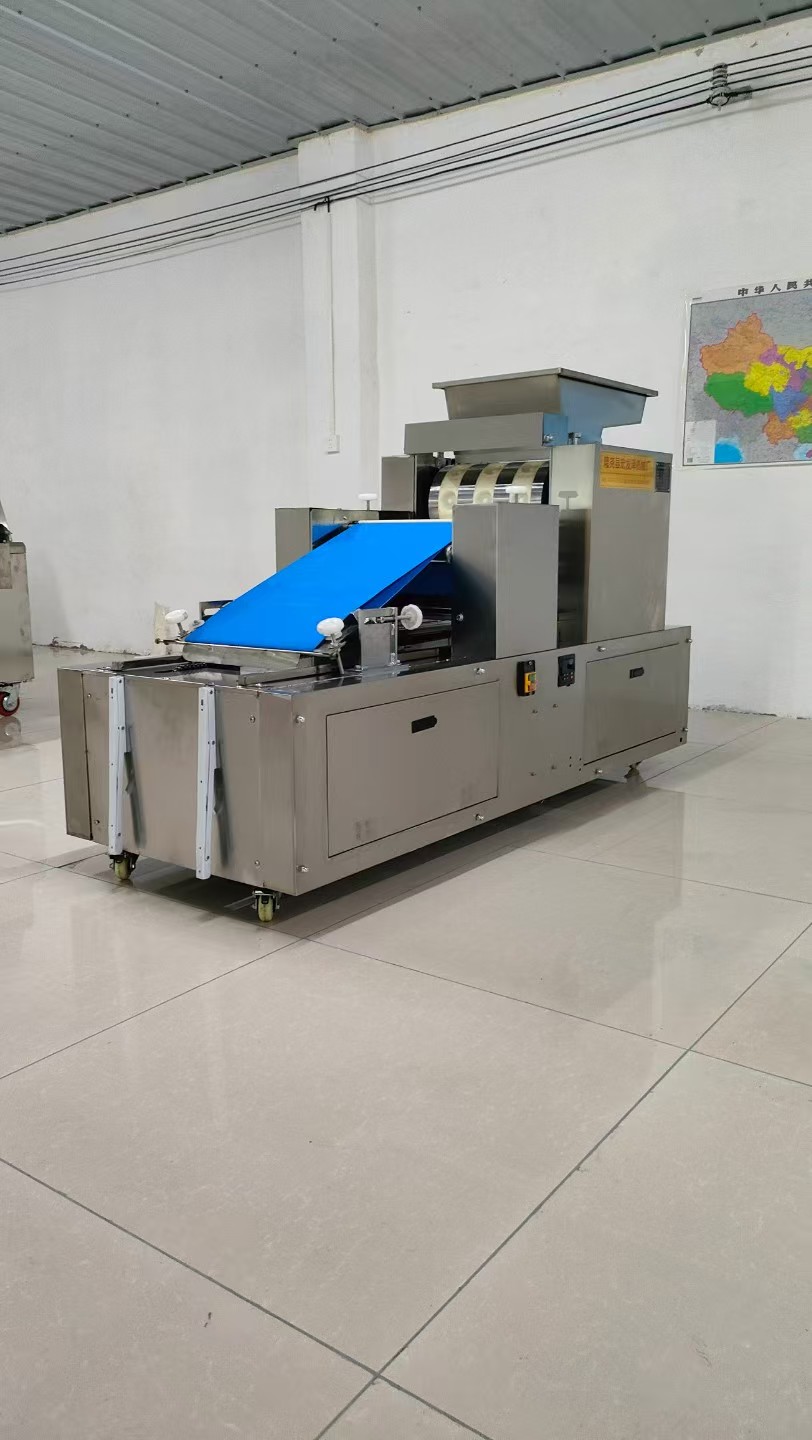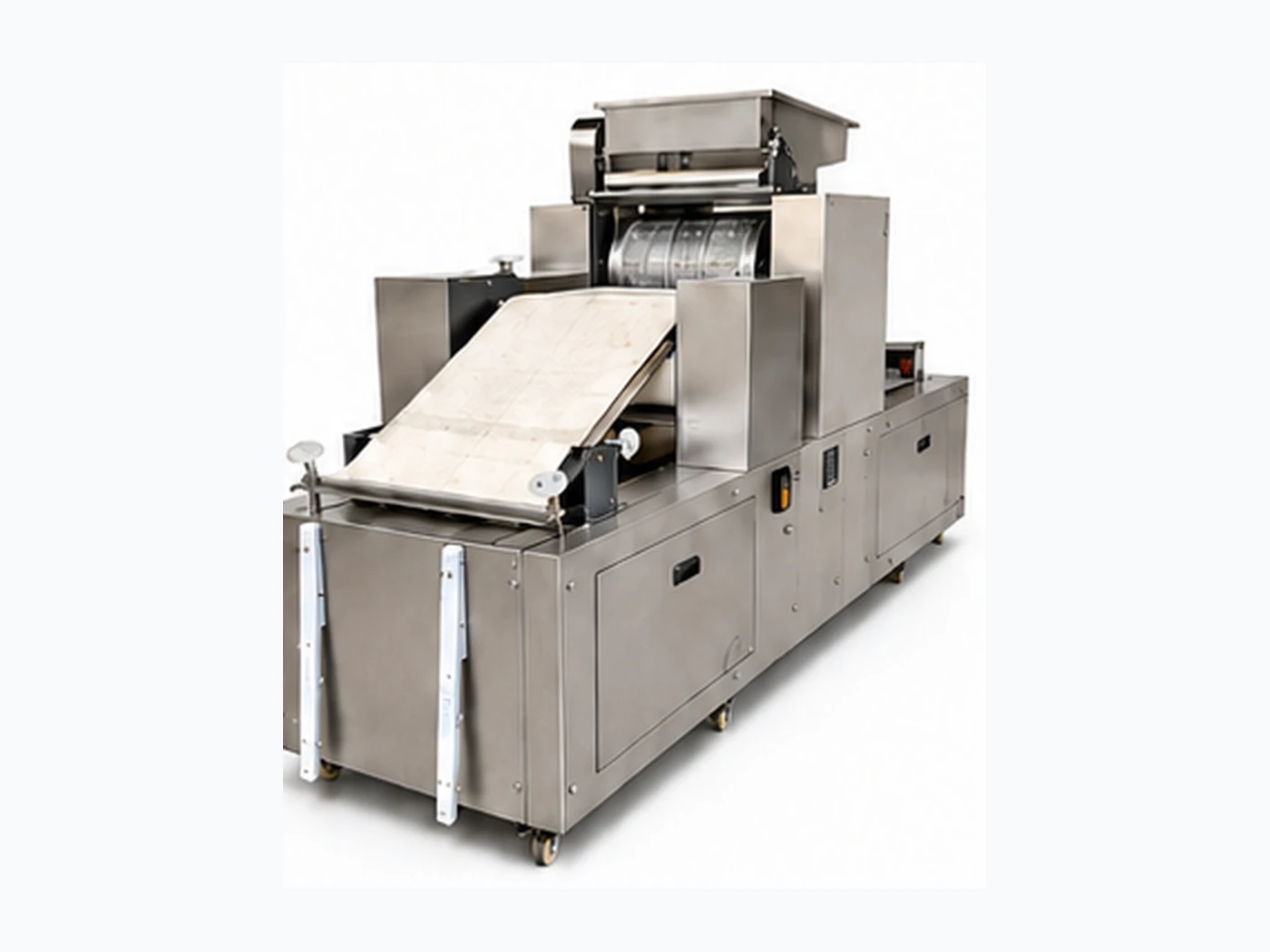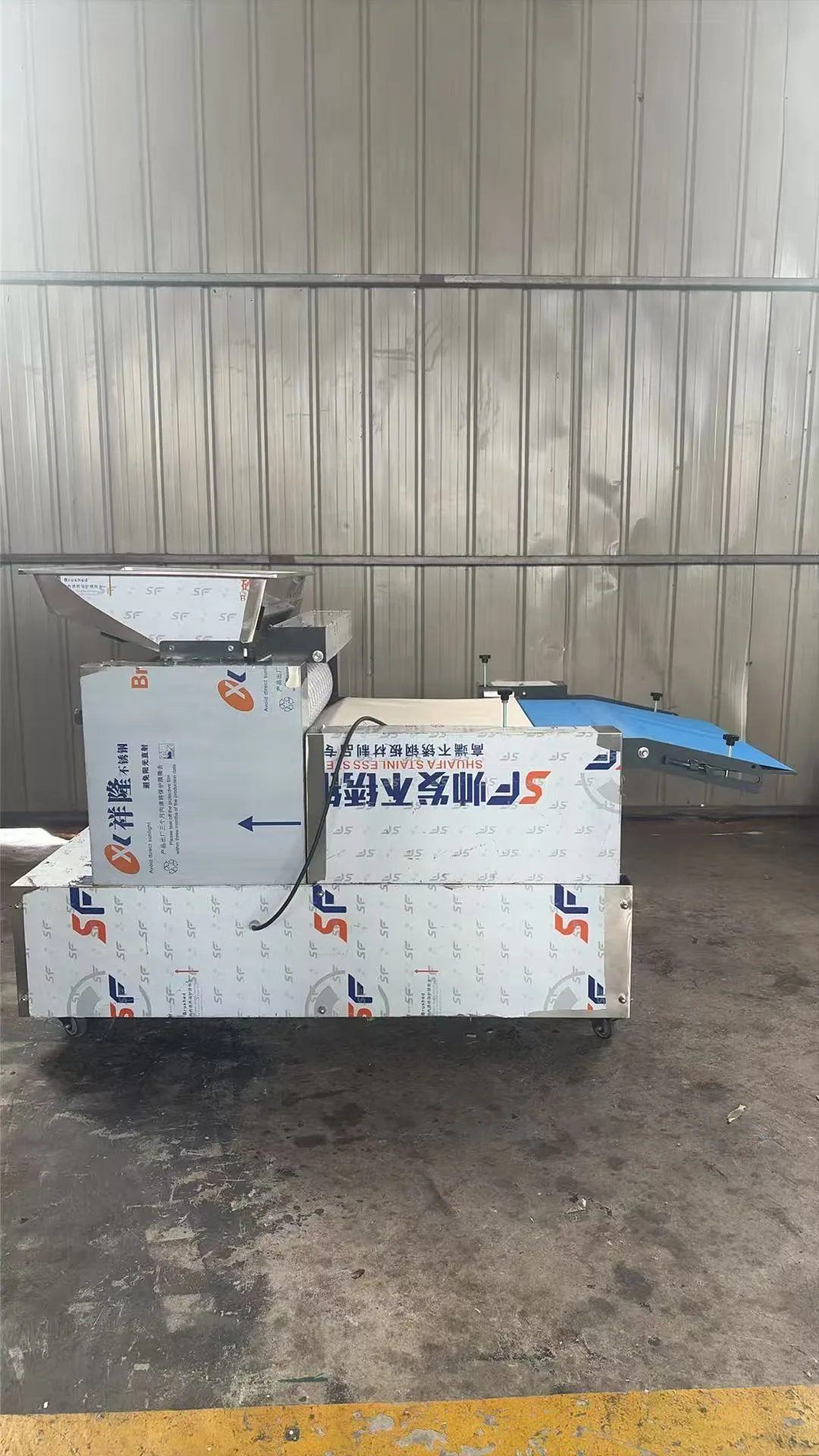
Model 20 Small Biscuit Forming Machine
A compact short-dough biscuit forming machine for small batches. Formed pieces are removed and placed on trays manually; automatic tray arranging cannot be added.
- Maximum reference output
- Approx. 100 kg/h
- Power
- 1.5 kW
- Tray / connection
- Manual removal and tray loading; automatic traying cannot be added
Where does this model fit?
Small batches, product trials and manual tray workflows
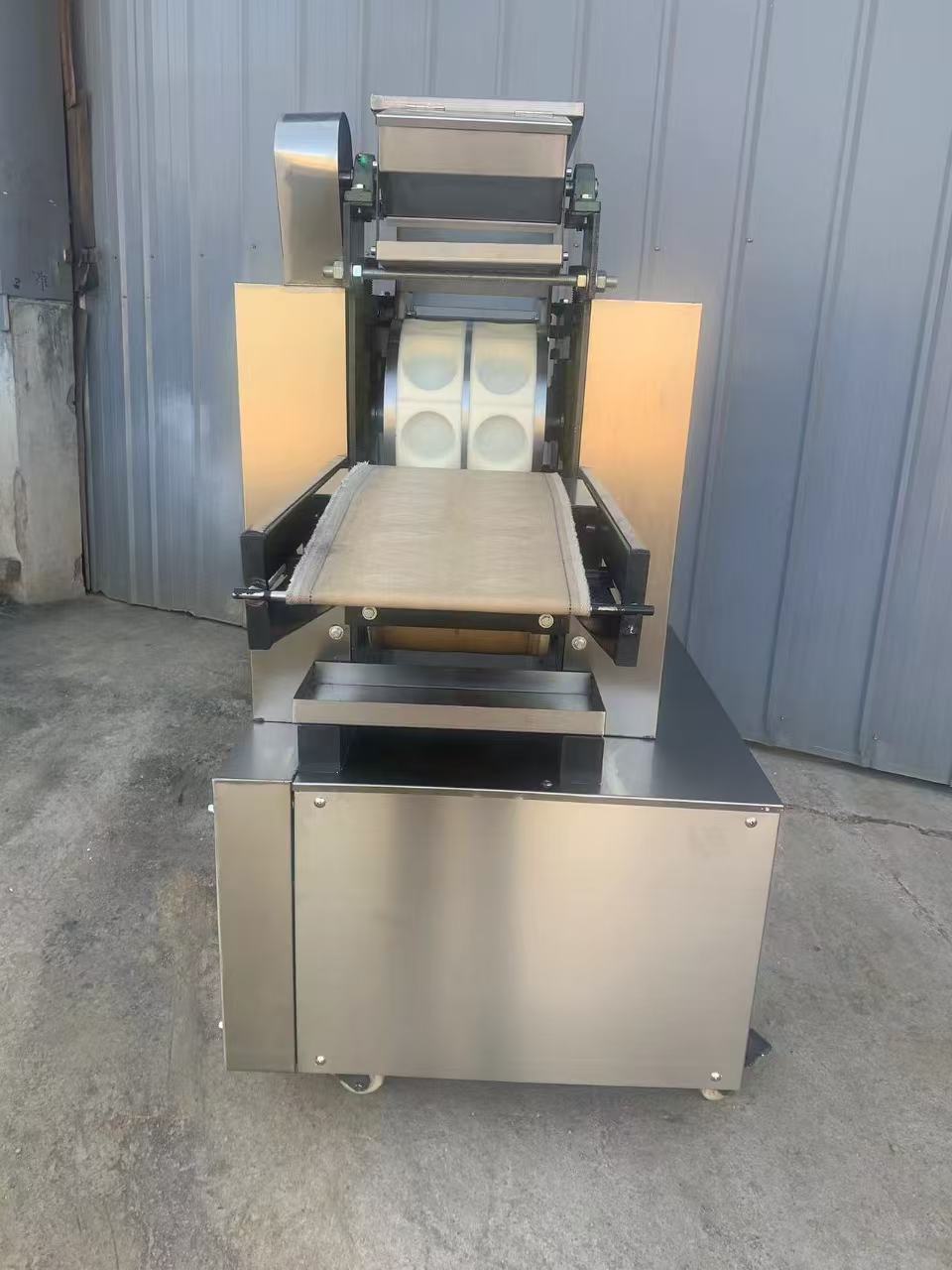
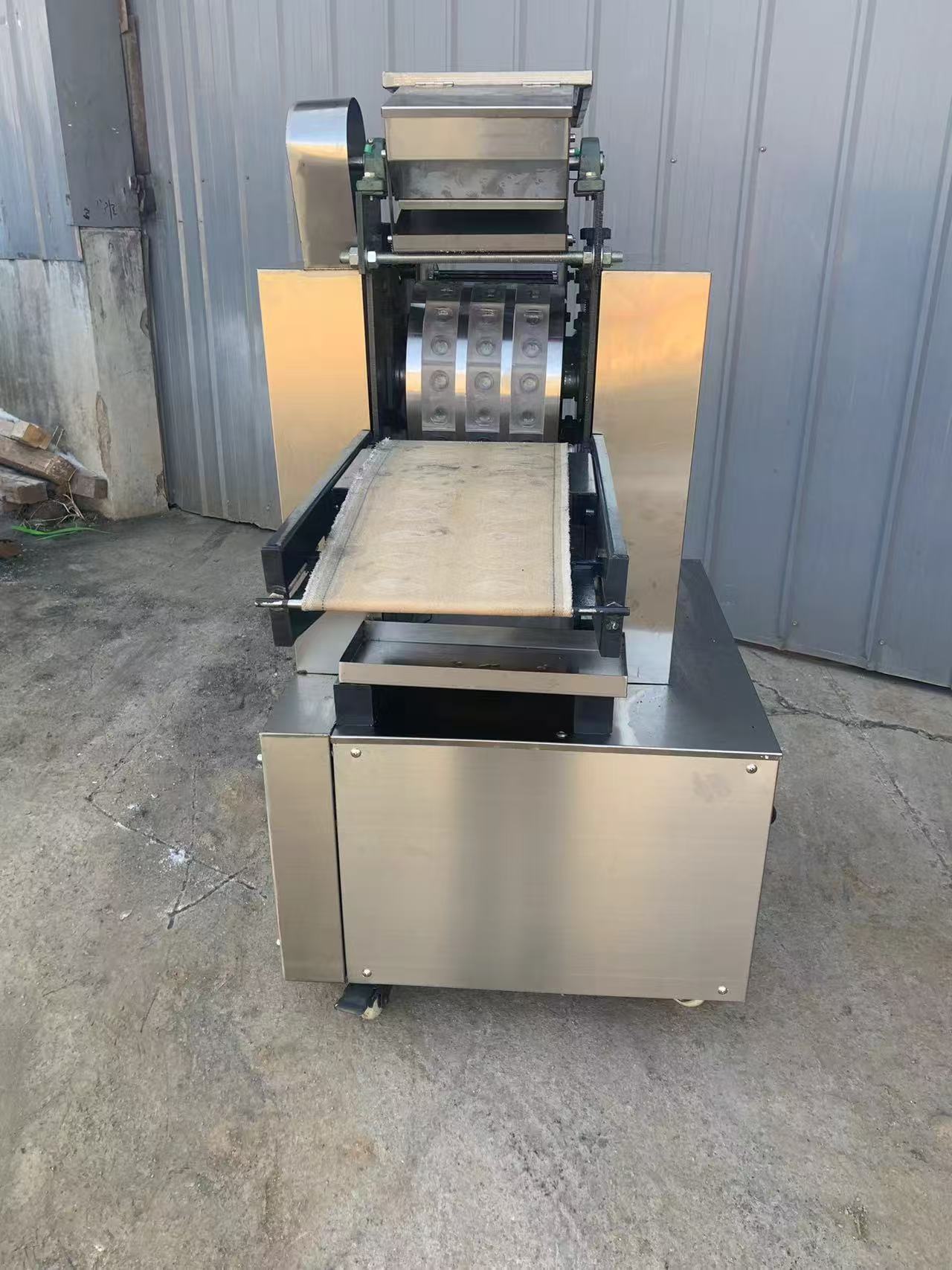
Real machine photo gallery
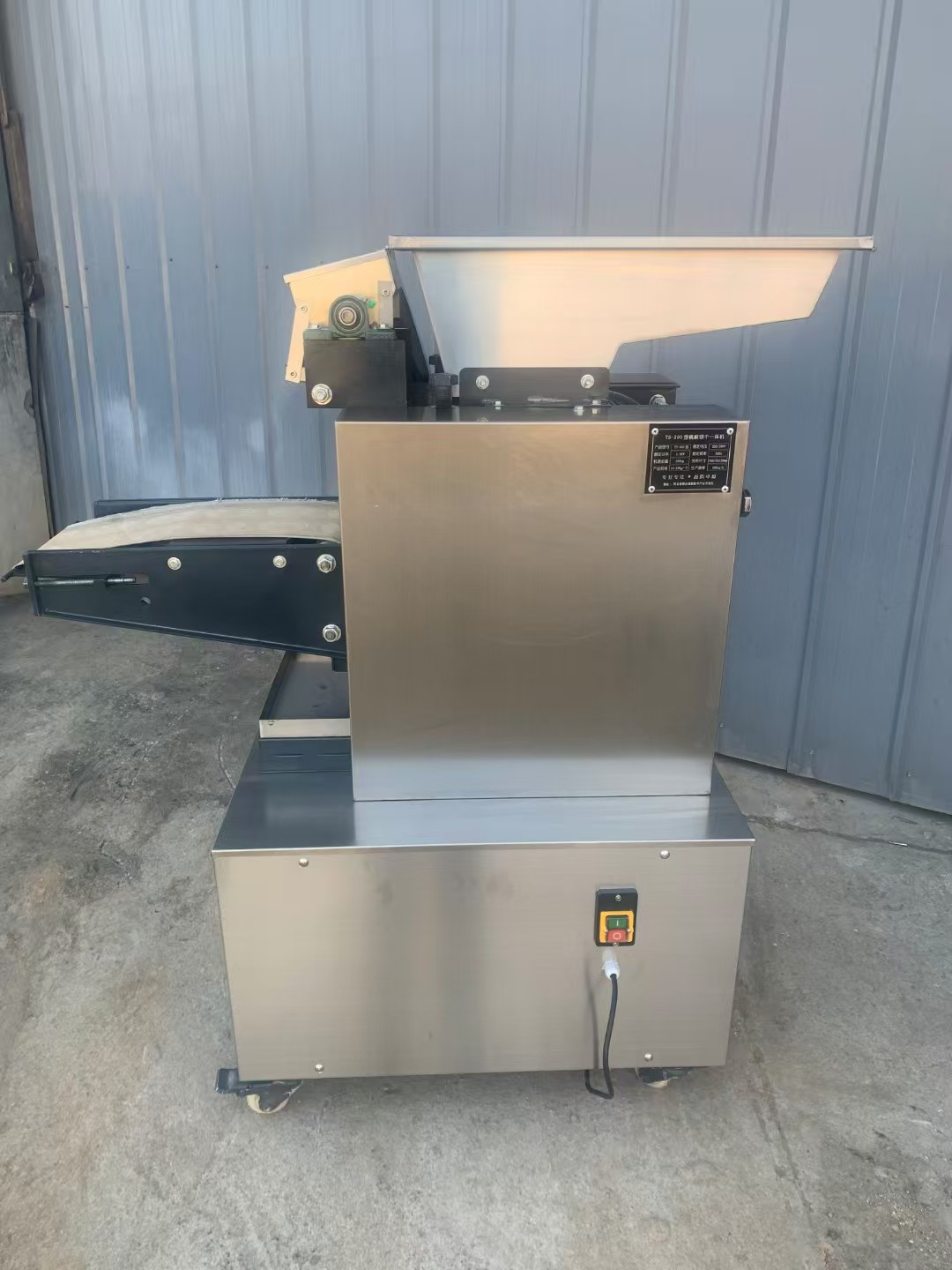
Original photos show the machine body, forming roller and conveyor from multiple angles.
Technical and shipping data
The following values come from current formal product data. Unlisted configurations must be confirmed for the specific product.
| Item | Confirmed value | Notes |
|---|---|---|
| Maximum reference output | Approx. 100 kg/h | Actual output depends on biscuit size, design and recipe |
| Power | 1.5 kW | — |
| Standard voltage | Single-phase 220V or three-phase 380V | 50Hz and 60Hz are supported; three-phase 415V can be used directly |
| Machine dimensions | 1.1 × 0.7 × 1.25 m | — |
| Machine weight | Approx. 220 kg | — |
| Wooden case dimensions | 1.25 × 0.77 × 1.35 m | — |
| Shipping weight / volume | Approx. 230 kg / 1.3 CBM | — |
| Effective forming roller width | 200 mm | — |
| Conveyor width | 200 mm | — |
| Tray handling | Manual removal and tray loading | Model 20 cannot be fitted with an automatic tray arranging system |
See the real working condition of this model
Model 20 compact forming workflow
The formed biscuit pieces are removed and placed on trays manually.
The video demonstrates the machine workflow and does not replace project confirmation for your recipe, design and output.
One custom forming roller included
Made to one confirmed product design, dimensions, thickness and required logo. Multiple designs using the same dough may be placed on one roller, but they are produced at the same time.
Provide a clear product photo or drawing
Confirm exact length, width or diameter and thickness
Confirm any required logo and its position
Manufacture and confirm the forming result by test video
Working process
From suitable material to formed biscuit pieces. Baking and other downstream processes are outside this machine.
Load suitable loose material into the hopper
Material enters the feeding and forming area
The custom roller forms the biscuit pieces
Remove the formed pieces and place them on trays manually
Key advantages of Model 20 Small Biscuit Forming Machine
Compact footprint for entry-level output
One custom forming roller included for the confirmed design, size, thickness and required logo
Variable-frequency speed control
Assembled, adjusted and tested before wooden-case shipment
Frequently asked questions
What biscuits can the machine form?+
Short-dough material that is dry, loose, non-sticky and holds under light pressure at feeding. It forms plain, single-layer, unfilled bases; sandwich-biscuit pieces can be formed separately.
What are the dimension and thickness limits?+
Diameter, maximum length and maximum width must be strictly above 30 mm and below 130 mm. Thickness is 3–15 mm.
Is a mold included?+
One forming roller customized to one confirmed design, dimensions, thickness and required logo is included.
Can automatic tray arranging be added to Model 20?+
No. Model 20 is the smallest model and cannot be fitted with automatic tray arranging. Formed biscuits are removed and placed on trays manually.
Does the machine bake?+
No. It only forms biscuit pieces. We do not supply an oven or tunnel oven.
Is output fixed?+
No. Listed output is the maximum reference value and varies with biscuit size, design and recipe.
Which voltage is available?+
Standard options are single-phase 220V or three-phase 380V. Both 50Hz and 60Hz are supported; three-phase 415V can be used directly.